GUIDE TO DEVELOPING A TRAFFIC CALMING PROGRAM
Residents want safer streets. Requests flood in for speed humps, radar signs, or narrower roads. Where do you start?
One of the most important steps in designing a traffic calming program is to make sure you’re installing solutions where they’re needed most. It’s easy to mistakenly focus on the areas with the most vocal residents rather than those with the most crucial safety concerns.
For many municipalities, effective traffic calming starts with a point system. Assigning points based on predetermined criteria gives you concrete guidance on where to start.

Points are usually assigned based on:
- Highest traffic volume
- Average and mean speeds
- Pedestrian traffic
- Proximity to schools, parks, stores, or churches
- Bike or bus lane presence
- Vulnerable populations such as young children or the elderly
- History of accidents, injuries, and fatalities
- Primary road use
With number values assigned to each category and a simple scoring system, it becomes easy to identify safety priorities.
Point systems are used in successful traffic calming programs around the country including:
- Durham, NC
- Harford, MD
- Portland, OR
- Reno, NV
- Seattle, WA
- Salt Lake City, UT
- Tempe, TX

TRAFFIC CALMING SOLUTIONS

Evolution 15

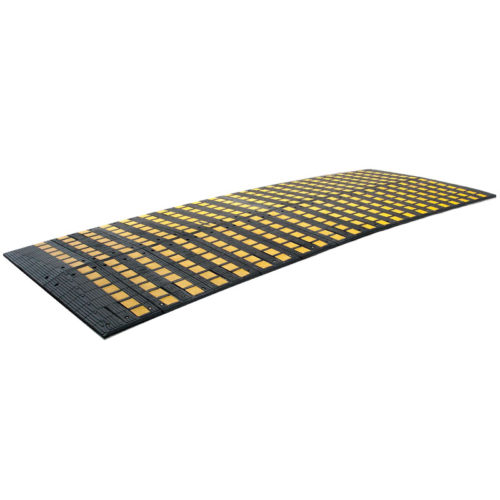
Speed Tables
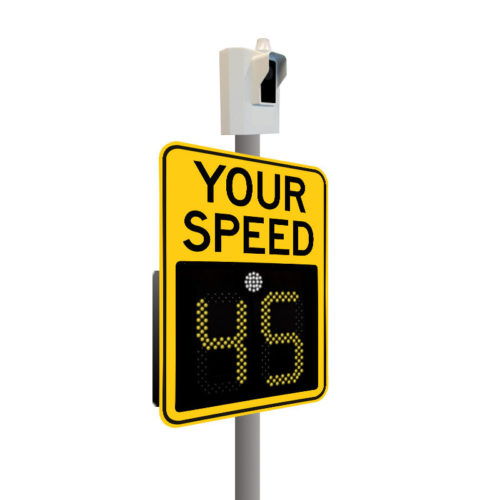
Guardian Awareness